Why Everyone Should Learn CPR and How It Can Make a Difference in Emergency Situations
The Importance of Saving Lives with CPR
Cardiopulmonary resuscitation (CPR) is a life-saving technique that can be used to restore breathing and circulation to individuals experiencing cardiac arrest. In an emergency situation, knowing how to perform CPR can mean the difference between life and death. In this article, we will discuss the importance of saving lives with CPR.
CPR is important because it saves lives. When performed properly, CPR can help restore blood flow and oxygen to vital organs, such as the brain, which can significantly increase a person’s chances of survival. Additionally, performing CPR can reduce the risk of brain damage and other complications associated with cardiac arrest.
CPR helps keep blood and oxygen flowing until medical help arrives. In many cases, emergency medical services may not arrive in time to save a person’s life. CPR can help buy time until medical help arrives, increasing the chances of survival and reducing the risk of long-term complications.
CPR is not just important for healthcare professionals, but for everyone. Anyone can learn CPR, and everyone should. Parents and caregivers, students, and workers in high-risk industries should all be trained in CPR. You never know when an emergency may occur, and having the knowledge and skills to perform CPR can make all the difference.
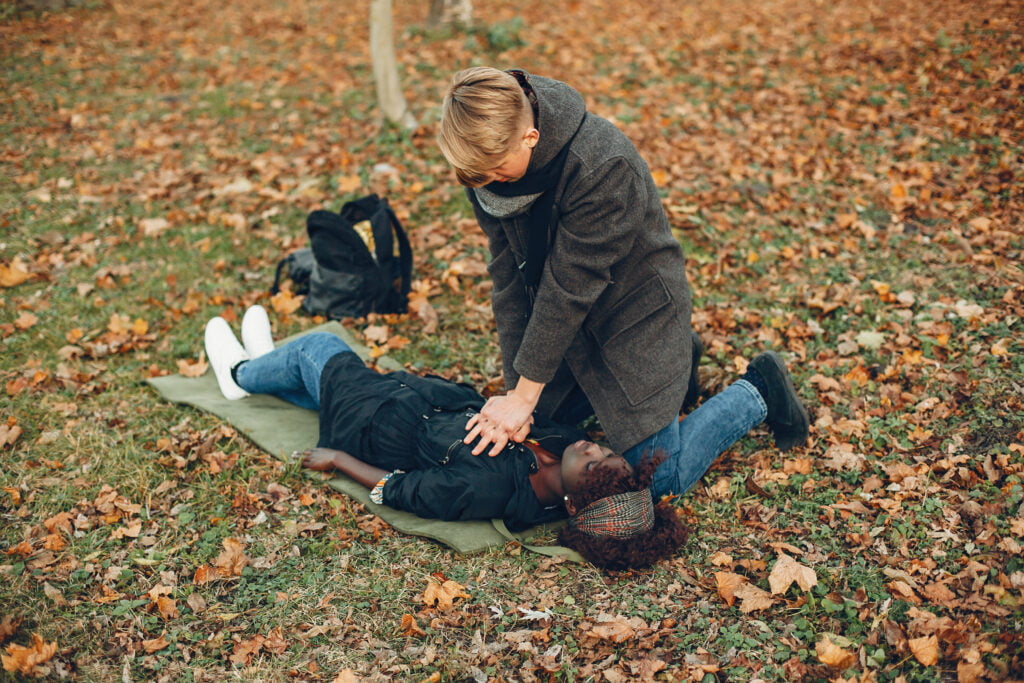
Performing CPR involves a few simple steps. First, assess the person’s breathing and pulse. If they are not breathing and have no pulse, begin chest compressions. The American Heart Association recommends performing compressions at a rate of 100 to 120 per minute, and to a depth of at least two inches. After every 30 compressions, give two breaths.
There are several techniques and tips to perform effective CPR, such as proper hand placement, keeping the arms straight, and using the weight of your upper body to compress the chest. Taking a CPR course or attending a CPR training program can help you learn these techniques and build the confidence you need to perform CPR in an emergency.
In conclusion, CPR is a life-saving technique that everyone should learn. Knowing how to perform CPR can help save lives, reduce the risk of brain damage, and buy time until medical help arrives. Anyone can learn CPR, and it only takes a few simple steps to perform effective CPR. Don’t wait until an emergency happens. Take a CPR course today and be prepared to save a life.